
No Film School shows How Indie Filmmakers Can Survive AI: 9 Insights from the Pros
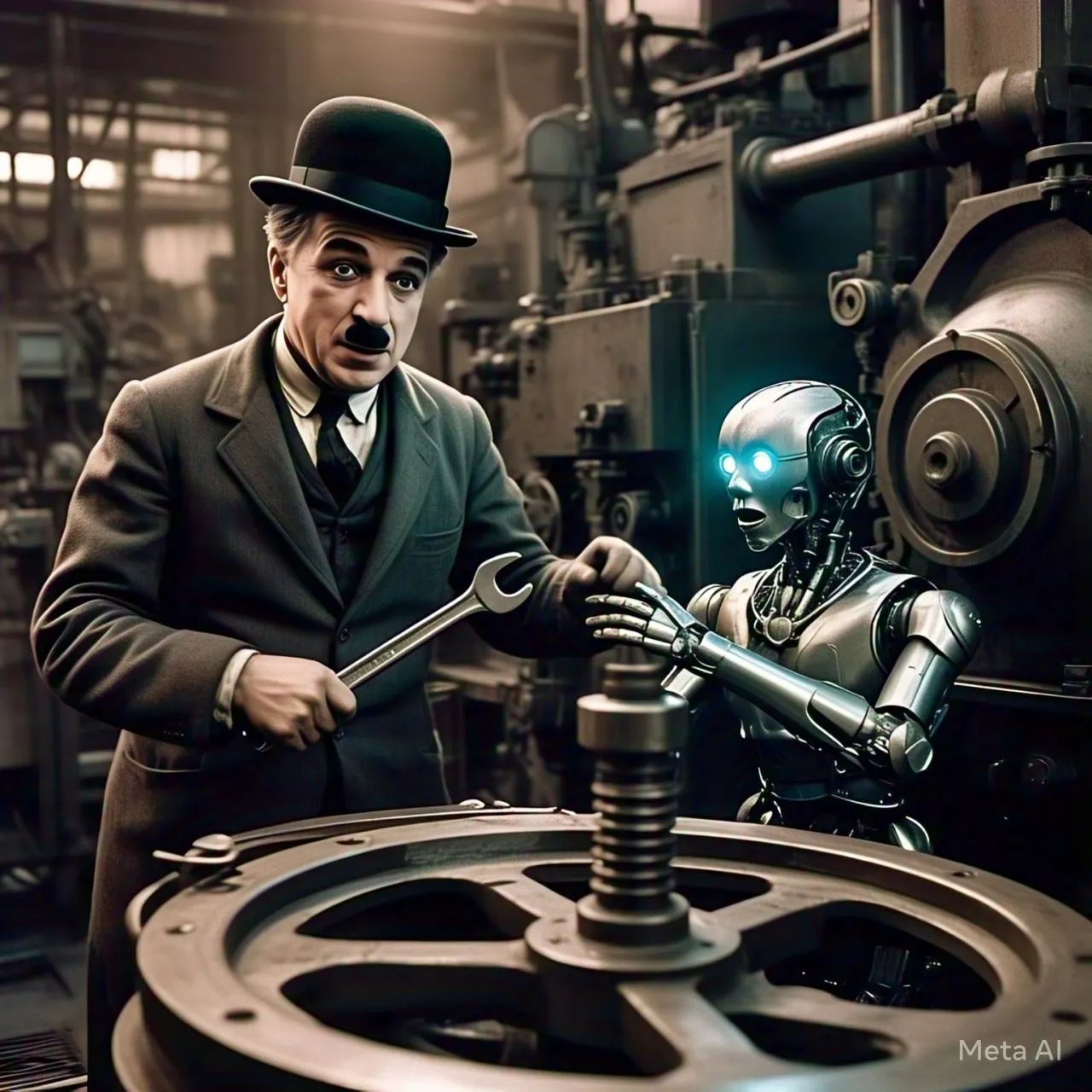
The insights are from a SXSW 2026 panel titled Creativity, Commerce & Chaos: Tech & Indie Filmmaking that featured Lauren Oliver (co-founder of IncanterAI), Shaked Berenson (founder/CEO of Studio Dome), and Gregory Jensen (Accenture’s Media lead) and hosted by GG Hawkins.
The highlight? They view AI as a:
“disruptive toolkit designed to level the playing field for creators who don’t have Hollywood-sized bank accounts.”
The nine strategies, from the article, are:
- Training your “Digital Eye”: Cinematography Knowledge Still Matters
Because AI doesn’t know the emotional difference between a high-angle and a low-angle shot your knowledge about filmmaking is your greatest asset. - The “Micro-Problem” Strategy: Build Your Own Pipeline
Look at AI as a series of specialized assistants, rather than a single “creative partner”, and use it to solve niche problems such as Audio Issues, Localization and VFX Generative Fill. - AI-Native vs. AI-Assisted: The Gap in Decision-Making
The panel highlighted the growing divide between “AI Native” creators (who often lack traditional film training) and “Filmmakers using AI.” Filmmakers don’t just prompt; they curate. - Personalization vs. The Shared Experience
One panelist floated “Dynamic Content“; the idea that a screen could generate a version of a film tailored to the viewer’s preferences (e.g., skipping gore for a sensitive viewer or emphasizing a certain subplot). - The “Dishes” Principle: Using Tech to Buy Back Time
The ultimate goal for the indie filmmaker isn’t to let AI do the “fun” part (the writing and directing). It’s to let it do the “chores” like organizing a scene list, budgeting with predictive models, or building a character-tracking app. - The “15-Minute Wall”: Understanding AI’s Memory Problem
One of the most practical “craft” takeaways for filmmakers is the current technical limitation — AI models have a “short-term memory” problem. So don’t try to “generate” your whole movie yet. Use AI for shots, textures, or cleanup, but rely on your principal photography to maintain the “scaffolding” and continuity of your characters. - The “Signal Through the Noise”: Curation as a Creative Act
With the barrier to entry dropping, the sheer volume of “content” is exploding and the role of the filmmaker shifts toward being a human gatekeeper. Your job is now curating. - Directing for “Dynamic Viewing”
Personalized Exhibition: AI could allow for versions of a film that adapt to the viewer so when shooting, consider capturing “excess” coverage. - AI as Your “Marketing & Advice” Department
AI can act as your business consultant or Creative Producer. Feed it your script and ask: “What is the most marketable 30-second hook for a Gen Z audience?” or “What film festivals have a history of programming films with these specific themes?”
The article concludes with a warning:
“The intersection of AI and indie film isn’t about the technology—it’s about curiosity over fear. If we leave the tools to Silicon Valley, they will build a “push-button” industry. If we engage with it as filmmakers, we can build a more accessible, disruptive, and human-led future.”
My take: art is always an abstraction of reality. Cinema, and by extension TV and screen-based media, use a vocabulary and grammar that is barely 130-years old. I predict most viewers will accept the new tools in time, like they did animation and Computer Generated Imagery.